Houthi Missiles Set Saudi Refineries Ablaze in Jizan and Yanbu After Saudi Strikes on Hodeidah
Saudi air defenses intercepted Houthi ballistic missiles aimed at oil refineries in Yanbu, while smoke rose over the Aramco refinery in Jizan — retaliation for a Saudi-led strike on Houthi military sites in Hodeidah. With both of Saudi Arabia's maritime export flanks now under direct fire, the economic stakes are climbing fast.
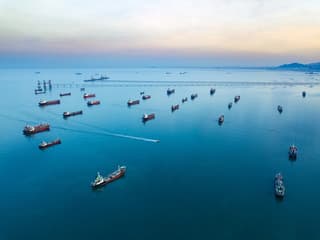
The Saudi-Houthi front of the wider regional war escalated sharply this weekend, moving from shipping attacks and blockade declarations to direct strikes on Saudi soil. The Saudi-led coalition struck Houthi military sites in the Red Sea port city of Hodeidah on Friday, with the Saudi Defense Ministry saying the targets included facilities directly linked to the group's ongoing attacks on commercial shipping. The Houthis answered within a day: Saudi air defense systems intercepted two ballistic missiles launched from Yemen toward oil refineries in Yanbu on Saturday, while separate reporting described smoke rising after strikes on the Saudi Aramco refinery in Jizan, further south near the Yemeni border.
The choice of targets is the part of this exchange worth sitting with. Yanbu and Jizan aren't symbolic targets or shipping lanes — they're refining infrastructure, the industrial facilities that turn crude oil into usable fuel rather than just the tankers that move it around. Striking a refinery, even unsuccessfully, is a different order of escalation than striking a ship or declaring a naval blockade: refineries take considerably longer to repair than a disrupted shipping route, and taking one offline, even partially, has knock-on effects for fuel supply that outlast the news cycle around the attack itself.
That distinction matters enormously for how exposed Saudi Arabia now is. Riyadh has spent recent months navigating a two-front maritime squeeze: the Strait of Hormuz effectively closed since Iran shut it in the war's opening months, and a Houthi-declared naval blockade covering Saudi Arabia's Red Sea access announced earlier this month. Yanbu and Jizan sit on that Red Sea coast — the flank Saudi Arabia had been leaning on precisely because Hormuz wasn't available. Direct missile strikes aimed at refineries on that same coastline mean there is no longer a maritime or industrial direction Saudi Arabia can point to as reliably insulated from this war. Both flanks are now live.
The economic stakes extend well past Saudi Arabia's own balance sheet. This outlet has covered ASEAN's warning that Hormuz's closure alone threatens roughly 20 percent of global oil supply and up to 30 percent of LNG supplies, with developing economies bearing a disproportionate, largely unrecoverable share of the cost. Layering direct refinery strikes onto that picture raises a different kind of risk: it's not just about how much oil can physically transit a chokepoint, but whether the refining capacity that turns crude into usable fuel stays intact at all. A world already absorbing a historic supply shock from a closed Hormuz has correspondingly less slack to absorb a second disruption to actual refining capacity on the Arabian Peninsula's western coast.
Whether this specific exchange escalates further depends on questions that were already unresolved before this weekend: whether the Houthis have the sustained missile inventory to keep pressuring refinery targets, whether Saudi Arabia responds with a heavier strike campaign against Hodeidah that further hardens Houthi resolve, and whether any negotiated de-escalation covering the Red Sea front is even on the table while the separate, larger US-Iran war over Hormuz remains unresolved. What's changed concretely this weekend is that "the war affecting oil markets" is no longer a story that can be told just in terms of shipping routes and blockade declarations. It now includes missiles landing near two of the specific facilities that turn Gulf crude into a product markets can actually use.
More from News

Houthi-Saudi Red Sea Truce Collapses: Aramco Sites Struck, Hodeidah Bombed, Maritime Embargo Declared
A four-year informal truce between the Houthis and Saudi Arabia has broken down within days: Houthi forces struck Saudi Aramco's Red Sea facilities, the Saudi-led coalition bombed Houthi positions in Hodeidah, and the Houthis have now declared a maritime embargo.

Iran War Latest: Strikes Stay Paused as Jordan Downs Drones and a Second Front Risks Opening in the Red Sea
The US bombing pause on Iran is holding into a second week, but Jordan has shot down two drones, Japan is urging Iranian flexibility, and a fast-deteriorating Houthi-Saudi standoff in the Red Sea threatens to open a second front while Hormuz remains shut.

Iran War Update: US Strikes Pause After 13 Nights as Oman Brokers Progress on Reopening Hormuz
For the first time in two weeks, the US did not announce new strikes on Iran this weekend. Tehran is calling the pause a victory while its foreign ministry reports progress in Oman-mediated talks on reopening the Strait of Hormuz — even as a separate incident with Ukraine and rising fuel prices complicate the picture at home.