Congress Is Already Bracing for a Pre-Election Shutdown Fight
Bipartisan spending talks have stalled and a defense budget dispute over the fiscal 2027 Pentagon funding bill is raising the odds of a third shutdown under this administration.
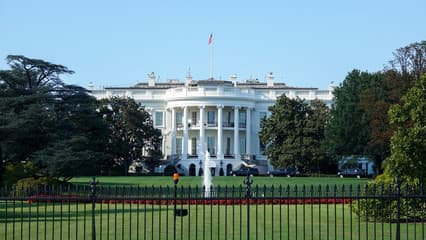
There's a particular kind of dread that sets into a Congress that's already lived through multiple shutdowns in a single presidential term, and that dread is visibly setting in again. Senate Republicans and Democrats both fear another shutdown is looming this fall, with bipartisan spending talks sputtering just as the fiscal year clock starts running down and midterm season adds extra volatility to a process that's already difficult in ordinary years.
A term already defined by shutdowns
This isn't a hypothetical risk building from nothing. Trump's second term has already produced two government shutdowns: a complete shutdown that ran a record 43 days in 2025, and a partial 76-day shutdown in 2026. A third shutdown heading into a midterm election would be unusual even by this term's standard, and lawmakers on both sides seem aware of how that would look to voters already frustrated by war-driven inflation and a costly foreign conflict.
The defense budget is the specific flashpoint
Beyond the general appropriations slog, a more targeted dispute is emerging around the fiscal 2027 defense budget. The House Armed Services Committee has advanced a measure authorizing a historic $1.15 trillion for the Defense Department, after Democrats on the committee failed in an attempt to reduce that figure by $150 billion. The scale of the number isn't disconnected from recent events — rebuilding the munitions stockpiles depleted during the Iran war, replacing THAAD interceptors and Precision Strike Missiles at pre-war levels, is itself a multi-year, multi-billion-dollar undertaking, and that reconstruction cost is now baked directly into the funding fight playing out in committee.
Why Republicans specifically want to avoid this fight
Senate Republicans are described as anxious to avoid handing Democrats another opening to force a shutdown weeks before voters head to the polls. That's a notably different posture than the party has taken in prior shutdown standoffs, when brinkmanship was sometimes treated as a viable negotiating tactic rather than a risk to be avoided. The shift suggests GOP leadership has internalized just how exposed the party already is heading into November — a shutdown fight layered on top of an unpopular war and elevated inflation is the kind of compounding bad news that campaign strategists actively lose sleep over.
What happens from here
The House has passed the last four of twelve fiscal year 2026 appropriations bills in an effort to head off exactly this scenario, but that leaves the more contentious fiscal 2027 defense allocation still unresolved, complicated further by the absence of a senator whose experience navigating past standoffs had been a stabilizing factor in previous negotiations. With election season raising the political stakes on every vote and the defense budget dispute unresolved, the most likely outcome by autumn is either a last-minute deal that satisfies no one fully, or the kind of shutdown that becomes its own midterm issue — layered on top of a war and an inflation fight that were already going to dominate the campaign either way.
More from News

Houthi-Saudi Red Sea Truce Collapses: Aramco Sites Struck, Hodeidah Bombed, Maritime Embargo Declared
A four-year informal truce between the Houthis and Saudi Arabia has broken down within days: Houthi forces struck Saudi Aramco's Red Sea facilities, the Saudi-led coalition bombed Houthi positions in Hodeidah, and the Houthis have now declared a maritime embargo.

Iran War Latest: Strikes Stay Paused as Jordan Downs Drones and a Second Front Risks Opening in the Red Sea
The US bombing pause on Iran is holding into a second week, but Jordan has shot down two drones, Japan is urging Iranian flexibility, and a fast-deteriorating Houthi-Saudi standoff in the Red Sea threatens to open a second front while Hormuz remains shut.

Iran War Update: US Strikes Pause After 13 Nights as Oman Brokers Progress on Reopening Hormuz
For the first time in two weeks, the US did not announce new strikes on Iran this weekend. Tehran is calling the pause a victory while its foreign ministry reports progress in Oman-mediated talks on reopening the Strait of Hormuz — even as a separate incident with Ukraine and rising fuel prices complicate the picture at home.