Asian Currencies Buckle as the Hormuz Crisis Triggers a Flight to the Dollar
South Korea is seeing sharp equity capital flight as safe-haven flows into the dollar and elevated oil prices squeeze export-dependent, energy-deficient economies across Asia.
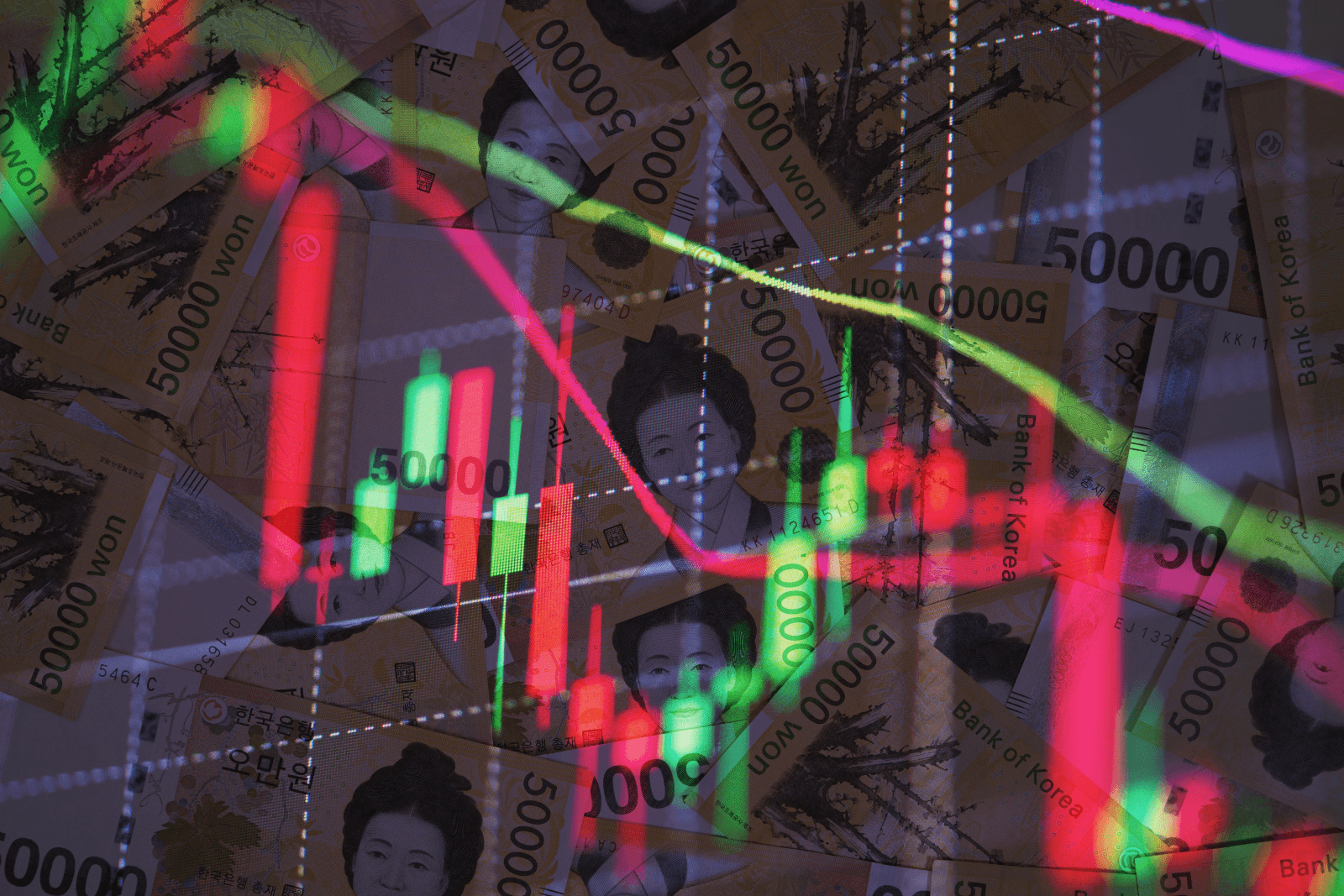
Asian Currencies Buckle as the Hormuz Crisis Triggers a Flight to the Dollar
A war in the Persian Gulf doesn't stay in the Persian Gulf. It shows up, a few weeks later, in the exchange rate of a currency thousands of miles away. That's what's happening right now across Asia, where the Hormuz crisis dragging on longer than markets expected has sent capital running toward the dollar and away from anywhere that looks exposed — with South Korea taking the worst of it so far.
What's actually driving this
The mechanics aren't complicated, even if the consequences are painful. Global trade networks are fragmenting as the Strait situation drags on, and that's kicked off an aggressive reshuffling of capital across borders. Investors want dollars right now, both because they're liquid and because Brent crude sitting above $80 a barrel makes anywhere that imports its energy in dollars look riskier. So money moves out of currencies tied to energy-import-heavy economies and into the dollar. Simple in theory, brutal in practice for whoever's on the receiving end.
South Korea is the example everyone's watching
Manufacturing-heavy, energy-poor economies are getting hit hardest, and South Korea is the sharpest case — reports describe severe equity capital flight there. Think about what that means for a country built on exporting manufactured goods: pricier energy squeezes your producers' margins at the exact moment foreign investors are pulling money out of your stock market. Two problems stacking on top of each other, and neither one shows up as cleanly in economies that aren't running the same combination of energy dependence and export manufacturing.
Why this feels worse than past episodes
Currency stress from Middle East oil shocks isn't new. What's different this time is the backdrop — rates are already elevated, and the global disinflation story has stalled out, so central banks in the affected countries are stuck between two bad options. Raise rates to defend the currency, and you choke off growth that's already struggling. Let the currency slide, and you import even more inflation through pricier energy and imported goods. Neither choice looks good right now, which is exactly why this round feels sharper than the usual currency wobble.
What it means beyond the exchange rate
This is a pretty clean example of how a regional war turns into global financial stress through channels that have nothing to do with the fighting itself — shipping lanes, oil pricing, and how nervous investors are feeling on a given day. The pressure will probably ease once Hormuz calms down, at least partly. The real question is how much damage gets baked into these economies' growth and inflation numbers before that happens, and how long it takes capital that's already run for dollar safety to decide it's worth coming back.
More from News

Houthi-Saudi Red Sea Truce Collapses: Aramco Sites Struck, Hodeidah Bombed, Maritime Embargo Declared
A four-year informal truce between the Houthis and Saudi Arabia has broken down within days: Houthi forces struck Saudi Aramco's Red Sea facilities, the Saudi-led coalition bombed Houthi positions in Hodeidah, and the Houthis have now declared a maritime embargo.
Iran War Latest: Strikes Stay Paused as Jordan Downs Drones and a Second Front Risks Opening in the Red Sea
The US bombing pause on Iran is holding into a second week, but Jordan has shot down two drones, Japan is urging Iranian flexibility, and a fast-deteriorating Houthi-Saudi standoff in the Red Sea threatens to open a second front while Hormuz remains shut.

Iran War Update: US Strikes Pause After 13 Nights as Oman Brokers Progress on Reopening Hormuz
For the first time in two weeks, the US did not announce new strikes on Iran this weekend. Tehran is calling the pause a victory while its foreign ministry reports progress in Oman-mediated talks on reopening the Strait of Hormuz — even as a separate incident with Ukraine and rising fuel prices complicate the picture at home.